Nepal trekking guide is essential for anyone aspiring to explore the majestic landscapes and rich culture that this Himalayan nation has to offer. With its towering peaks, lush valleys, and vibrant villages, Nepal is truly a trekker’s paradise. The diverse terrain and the hospitality of the local people create an adventure that resonates long after the trails are behind you.
One of the most compelling reasons for trekking in Nepal is the stunning scenery. The majestic Himalayas, home to some of the world’s highest peaks, offer breathtaking views that make every step worthwhile. Moreover, trekking here isn’t merely about the physical challenge; it’s a cultural immersion, presenting the opportunity to engage with local communities and their age-old traditions.
Whether you’re a seasoned trekker looking for your next challenge or a newcomer eager for a life-changing experience, this Nepal trekking guide will introduce you to some of the most awe-inspiring routes.
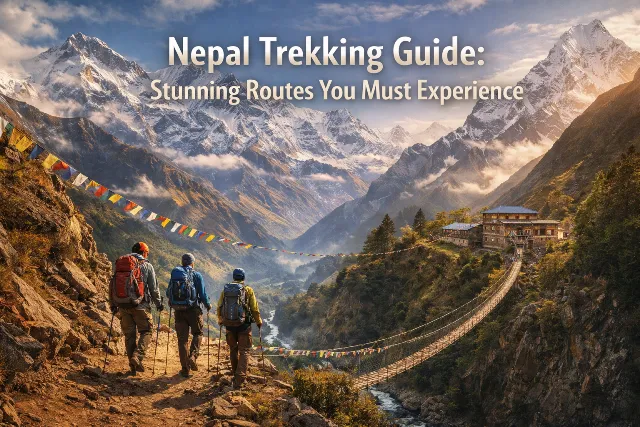
Table of Contents
Overview of Nepal’s Major Trekking Regions
Nepal can be divided into several major trekking regions, each offering unique landscapes and cultural experiences. Understanding these regions is crucial for any adventurer planning their route.
1. Everest Region
The Everest region is undoubtedly one of the most iconic trekking destinations in the world. This area encompasses the Sagarmatha National Park, a UNESCO World Heritage Site featuring stunning glaciers and diverse wildlife. Treks in this region not only attract climbers aiming for the summit of Mt. Everest but also those looking to experience the rich Sherpa culture and panoramic views.
2. Annapurna Region
The Annapurna region is famous for its variety of treks that cater to different skill levels. Home to the Annapurna Massif, this region allows trekkers to experience lush forests, terraced fields, and breathtaking mountain vistas. The rich biodiversity and cultural diversity here make it truly unique and splendid.
3. Langtang Region
Situated nearer to Kathmandu, the Langtang Valley offers stunning alpine scenery and a blend of rich Tamang culture. This region is less crowded than the Everest and Annapurna areas, making it an ideal destination for those seeking tranquility amidst natural beauty.
4. Manaslu Region
The Manaslu region is known for its rugged terrain and fewer trekkers. It’s a hidden gem that offers spectacular mountain views and cultural interactions with local Gorkha communities. The trek around Manaslu is challenging yet rewarding.
5. Other Notable Regions
Other notable regions include the Dolpo region, known for its unique Tibetan culture and remote landscapes, and the Makalu region, which offers a thrilling trek through untouched nature.
Understanding these regions is crucial in choosing the right trek that suits your skills and interests.
Everest Region Treks: Base Camp, Gokyo, and Kala Patthar
When it comes to Nepal trekking guide content, the Everest region merits special attention. The treks to Everest Base Camp and Gokyo Lakes offer some of the most picturesque landscapes you’ll ever encounter.
Everest Base Camp Trek
The Everest Base Camp trek is the epitome of trekking experiences, ensuring you witness the grandeur of Everest up close. The journey takes about 12 to 14 days, starting from Lukla. Along the way, trekkers traverse through quaint Sherpa villages like Namche Bazaar and Tengboche, where the magnificent Tengboche Monastery presents a spiritual experience overseen by towering peaks.
The trek also allows for acclimatization, essential for those venturing to high altitudes. As you ascend, the views become increasingly breathtaking, culminating in the iconic Base Camp situated at 5,364 meters.
Gokyo Lakes Trek
For those looking to escape the busy trails, the Gokyo Lakes trek offers tranquility and stunning views, including the incredible Gokyo Ri. This trek includes a visit to the series of turquoise glacial lakes at Gokyo, an extraordinary sight that rivals the magnificence of Base Camp.
The trek to Gokyo provides not just breathtaking perspectives on Everest but also stunning views of the Cho Oyu and Makalu mountains. The climb to Gokyo Ri, one of the highlights of this trek, rewards adventurers with panoramic views that are a photographer’s dream.
Kala Patthar Trek
For unparalleled views of Mount Everest, the climb up Kala Patthar is a must. At around 5,545 meters, it’s a challenging ascent, but standing at the summit as the sun rises over Everest is a spiritual experience you won’t forget.
Each trek in the Everest region offers a unique lens through which to view the raw beauty of nature. These treks not only push physical limits but also broaden cultural understanding.
Annapurna Circuit and Annapurna Base Camp Treks
Next in the realm of your Nepal trekking guide is the Annapurna region, famed for its diverse scenery and vibrant cultures.
Annapurna Circuit
The Annapurna Circuit is often regarded as one of the world’s finest long-distance treks. Spanning about 160-230 kilometers, depending on the route, this trek takes you through various climatic zones, from lush subtropical forests to arid high-altitude environments.
What sets the Annapurna Circuit apart are the beautiful valleys and the warm hospitality of the local Gurung and Magar communities. The trek usually takes about 15-20 days, allowing trekkers ample time to adapt to the altitude changes, especially as you approach the Thorong La Pass at 5,416 meters.
Annapurna Base Camp Trek
The Annapurna Base Camp trek is shorter, typically taking around 10-12 days, but offers equally rewarding vistas. This trek leads you into the heart of the Annapurna Sanctuary, a spectacular natural amphitheater surrounded by peaks, including Annapurna I, one of the highest mountains in the world.
The diversity of flora and fauna is a highlight here, along with the panoramic views of the peaks. The warm hospitality of the local people enriches the experience, creating lasting memories far beyond the stunning landscapes.
Together, these two treks in the Annapurna region provide options for both seasoned trekkers and newcomers, making it a must-explore part of your Nepal trekking guide.
Langtang and Helambu Trekking Routes
As we transition to the beauty of the Langtang region, it’s essential to note that this area is a treasure trove of ecological and cultural richness.
Langtang Valley Trek
The Langtang Valley Trek is less crowded but just as breathtaking as its more famous counterparts. It usually takes around 10-12 days to complete. Beginning at Syabrubesi, trekkers journey through lush bamboo and rhododendron forests, eventually making their way to the vibrant Tamang community that resides here.
One of the highlights is the Langtang Lirung mountain, which offers staggering views. The trek provides insight into the lives of the local people, their culture, and the unique architecture of their villages.
Helambu Trek
The Helambu Trek, often undertaken as a shorter trek (approximately 7 to 10 days), provides access to stunning landscapes and an opportunity to experience Newari and Tamang culture up close. The route is known for its serene ambiance and is an excellent choice for those seeking a peaceful trek while immersing in local traditions.
You’ll encounter terraced farming practices, beautiful monasteries, and vibrant local festivals that reflect the rich cultural tapestry of the region.
These routes are not only visually stunning but also offer authentic cultural exchanges, making the Langtang and Helambu areas essential to your Nepal trekking guide.
Manaslu Trek: Adventure and Scenic Highlights
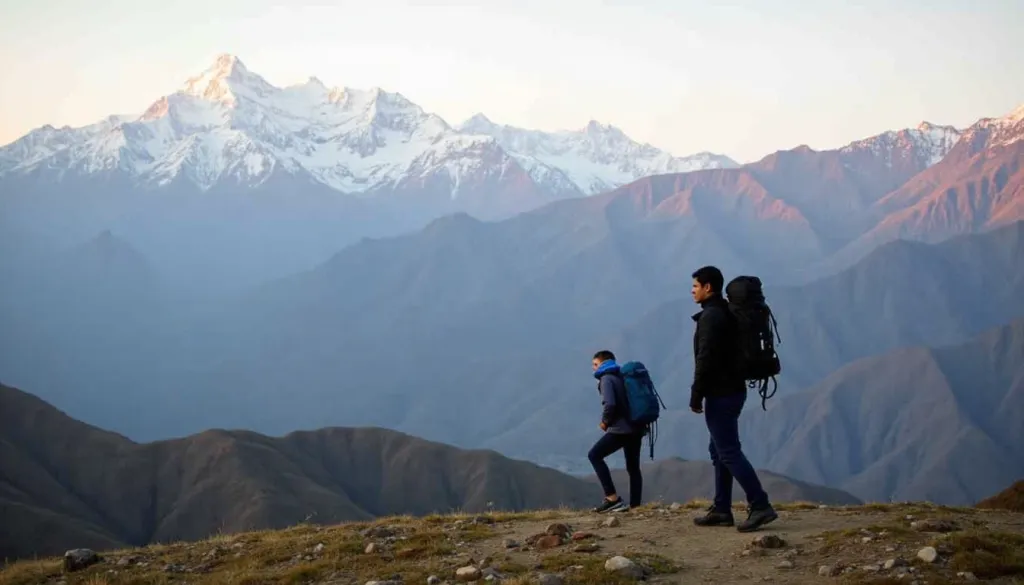
The Manaslu Trek is considered one of the hidden gems of Nepal. It’s a trek that combines both adventure and scenic beauty, making it a fantastic addition to your Nepal trekking guide.
Overview of the Manaslu Trek
With around 14 to 18 days of trekking, Route Manaslu offers a mix of challenging trails and spectacular views of the Manaslu mountain range, the eighth highest in the world. The trek typically starts from Soti Khola and ends at Besisahar, showcasing majestic landscapes and cultural diversity.
Scenic Highlights
Highlights include crossing the Larkya La Pass, which stands at 5,160 meters, rewarding trekkers with unparalleled views of Manaslu and the surrounding peaks. The trek also traverses traditional villages, offering insight into the lives of the local Gurkha communities and their customs.
As you ascend, you’ll encounter the unique flora and fauna of the region, along with lush forests, cascading waterfalls, and expansive views that stretch far into the horizon.
The Manaslu Trek is not just a physical venture but a profound journey of cultural exchange and breathtaking natural beauty, encapsulating the essence of trekking in Nepal.
With the groundwork laid in this Nepal trekking guide, eager adventurers are now more equipped to decide on their paths through this majestic land. Each region, trek, and interaction contributes to a deeper understanding of what makes Nepal a world-class trekking destination.
Continue your journey through this guide, and prepare to create memories that will last a lifetime.
Other Popular Treks: Poon Hill, Gosaikunda, and Rara Lake
Nepal’s trekking landscape extends beyond the major circuits, presenting a wealth of opportunities for hikers of all levels. Here are three popular options that showcase Nepal’s diverse terrain and culture:
Poon Hill Trek
A staple for those short on time, the Poon Hill Trek offers a striking panorama of the Annapurna Range. Typically completed in 3 to 5 days, this trek is accessible for beginners and those who wish to enjoy lush rhododendron forests, charming villages, and breathtaking sunrise views at Poon Hill.
- Highlights:
- Sunrise Views: Witnessing the sun rise over Annapurna and Dhaulagiri is a once-in-a-lifetime experience.
- Cultural Exposure: Interact with local Gurung communities, vibrant in their customs and hospitality.
Gosaikunda Trek
The Gosaikunda Trek leads hikers to sapphire-blue glacial lakes set against a backdrop of the Langtang Himalayan range. This trek can be completed in about 6 to 9 days and is an excellent choice for those seeking a bit more isolation along with spectacular scenery.
- Highlights:
- Spiritual Significance: Gosaikunda is an important pilgrimage site for Hindu devotees, particularly during the full moon in August.
- Natural Beauty: The trek features barren landscapes that transition into lush meadows, creating a diverse trekking experience.
Rara Lake Trek
Located in the remote Karnali region, Rara Lake is the largest freshwater lake in Nepal and is less frequented by trekkers. This trek generally takes around 8 to 12 days and is perfect for adventurers seeking an escape from crowded trails.
- Highlights:
- Isolation and Serenity: Enjoy the serenity of Rara Lake and its surrounding forested hills.
- Authentic Local Culture: Visit local communities, enriching your experience with cultural interactions.
Trekking Preparation: Permits, Gear, and Fitness Tips
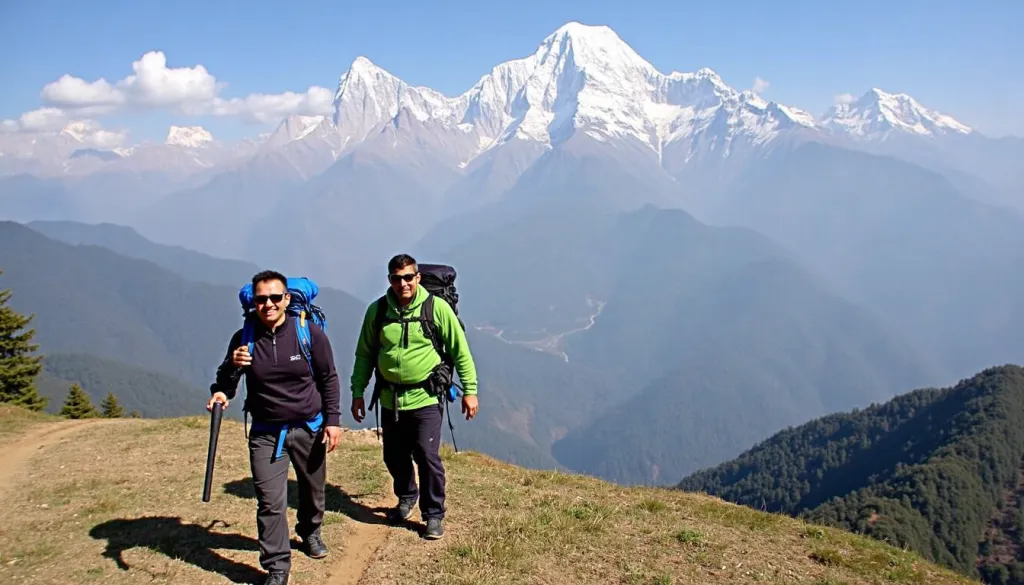
Proper preparation is vital for a successful trekking adventure. Here’s a concise guide on what you’ll need.
Permits
Depending on the region you plan to trek, you’ll need specific permits. The most common ones are:
- TIMS Card (Trekkers’ Information Management System): This is required for most trekking areas.
- National Park Entry Permit: Required for treks in areas like Annapurna or Langtang.
Gear
Investing in quality gear greatly enhances your trekking experience. Essential items include:
- Footwear: Waterproof trekking boots with good ankle support.
- Clothing: Layered clothing that can adapt to changing weather conditions.
- Backpack: A comfortable daypack with enough capacity for essentials.
Fitness Tips
Getting in shape before your trek is crucial. Here are a few tips:
- Cardio Training: Engage in aerobic exercises like running, cycling, or swimming at least three times a week.
- Strength Training: Focus on legs, back, and core muscles to prepare for uneven terrain.
- Walking/Hiking: Incorporate walks or hikes into your routine, particularly on hilly or uneven surfaces.
Cultural Experiences Along Trekking Routes
Nepal is rich in cultural diversity, and trekking provides an intimate opportunity to experience local traditions and lifestyles. Engage with communities and participate in local customs, such as:
- Festivals: Time your trek to coincide with local festivals. Events like Dashain or Tihar can significantly enrich your experience.
- Cooking Classes: Many villages offer cooking lessons where you can learn to prepare dal bhat (lentils with rice) and other local dishes.
- Monasteries and Temples: Visit spiritual sites, observing and participating in rituals, which adds a serene layer to your trekking journey.
Best Seasons for Trekking in Nepal
Choosing the right season can dramatically affect your trekking experience in Nepal.
Autumn (September to November)
- Temperature: Mild, with excellent visibility.
- Crowds: This is the peak trekking season; expect popular trails to be busier.
Spring (March to May)
- Temperature: Warmer weather, ideal for trekking.
- Flora: Witness the incredible rhododendron blooms, creating a stunning natural landscape.
Winter (December to February) and Monsoon (June to August)
- Challenges: Winter treks can be harsh, with cold temperatures and possible snow, while the monsoon brings heavy rains, making some trails slippery and less navigable.
Safety Tips and Local Etiquette
Safety should be a top priority while trekking. Always adhere to basic guidelines:
Safety Tips
- Altitude Sickness Awareness: Acclimatize properly and be aware of the symptoms of altitude sickness. Gradual ascent is key.
- Stay Hydrated: Drink plenty of water, especially at higher altitudes.
- Local Guides: Consider hiring a local guide for insight and assistance in navigating trails safely.
Local Etiquette
Understanding local customs enhances your experience and fosters goodwill:
- Respect Religious Sites: Always remove your shoes when entering temples and avoid loud behaviors.
- Tip Generously: Tipping local guides and porters is customary, reflecting gratitude for their hard work.
Sustainable and Responsible Trekking Practices
With trekking gaining popularity, it’s essential to embrace sustainable practices to preserve Nepal’s natural beauty. Consider these guidelines:
- Leave No Trace: Carry out everything you bring in, including waste. Be mindful of packaging and single-use plastics.
- Support Local Economy: Buy local handicrafts and eat at local restaurants to positively impact the community.
- Stay on Trails: Preserve the natural environment by sticking to marked paths and avoiding trampling on delicate flora.
Frequently Asked Questions about the Nepal Trekking Guide
Q1: What is the best trek for beginners in Nepal?
The Poon Hill Trek is highly recommended for beginners due to its relatively easy terrain and stunning views.
Q2: Do I need a guide for trekking in Nepal?
While not mandatory for all routes, hiring a local guide is advisable for navigating challenging trails and cultural insights.
Q3: How should I prepare for altitude sickness?
Gradual ascent, staying hydrated, and recognizing symptoms can help mitigate altitude sickness.
Q4: What is the best time to trek in Nepal?
Autumn (September to November) and spring (March to May) are the best seasons due to moderate weather and clear views.
Q5: Are permits required for all trekking routes?
Most popular trekking areas require permits, including TIMS and National Park entry permits.
Q6: What should I pack for a trek in Nepal?
Essentials include waterproof trekking boots, layered clothing, a reliable backpack, and personal water treatment options.
Q7: How can I ensure a responsible trekking experience?
Follow sustainable practices, respect local customs, and support local businesses throughout your trek.
Conclusion
Nepal offers an unparalleled trekking experience, combining stunning landscapes, rich cultural heritage, and welcoming communities. Each trek reveals a different facet of this beautiful country, from the iconic peaks of the Himalayas to serene lakes and vibrant local cultures. Whether you’re an experienced trekker or a novice adventurer, the allure of Nepal’s trails is undeniable.
By planning wisely, respecting local traditions, and practicing sustainable tourism, you’ll not only have an incredible journey but also contribute positively to this breathtaking region. A trek in Nepal isn’t just a physical journey; it’s a pathway to understanding a world steeped in natural beauty and cultural richness. Make it a part of your travel bucket list—it’s an adventure you won’t regret!
For more information, visit the Nepal Tourism Board or consult professional trekking agencies for guidance and planning assistance. Your adventure awaits!
More Post on Travel Nepal