When you choose to explore Kathmandu Nepal, you’re stepping into a realm where ancient history and vibrant culture collide. As Nepal’s bustling capital, Kathmandu not only serves as a gateway to the majestic Himalayas but also boasts a rich tapestry of architecture, spirituality, and local life. From the echoing chants of mantras in ancient temples to the lively chatter in its streets, this city offers an experience unlike any other.
Despite its urban chaos, Kathmandu retains a unique charm, serving as a reminder of its historical significance while embracing modern influences. For travelers, Kathmandu is more than just a destination; it’s an adventure waiting to unfold.
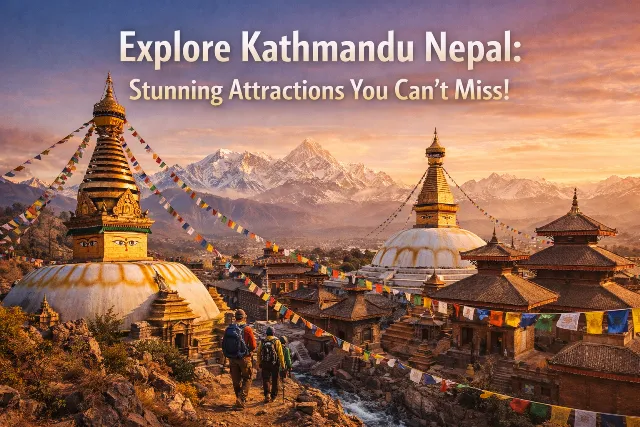
Table of Contents
Overview of Kathmandu Valley and Its Importance
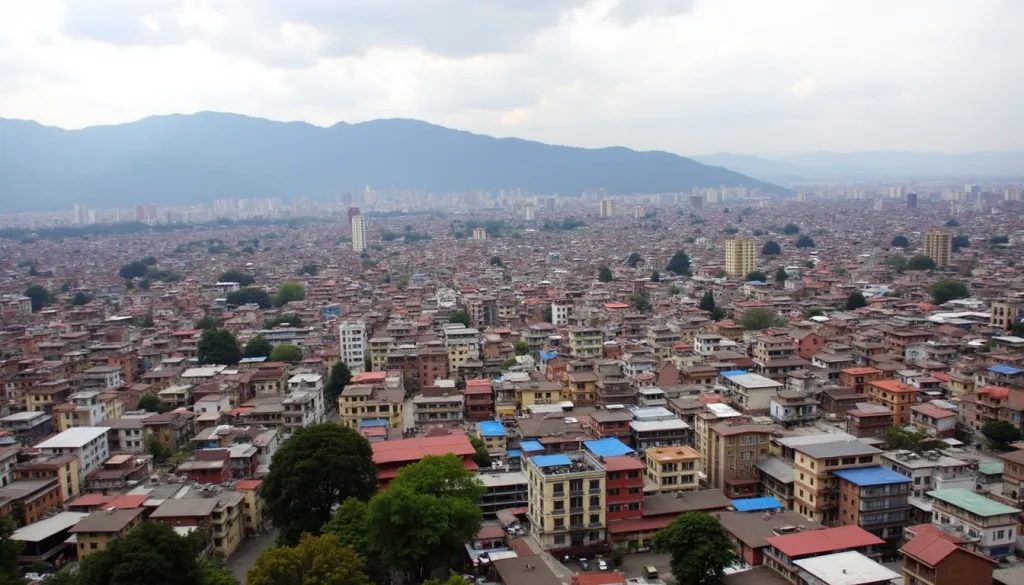
Nestled within the Kathmandu Valley, the city is surrounded by a stunning landscape of hills and mountains. This valley is not just a geographical wonder; it’s a cultural and historical epicenter. Home to seven UNESCO World Heritage sites, the valley signifies the pinnacle of Nepalese art and architecture.
The significance of Kathmandu extends beyond tourism; it plays a vital role in the country’s economy and cultural life. Local artisans preserve traditional crafts, while the streets bustle with small businesses that sell everything from handmade jewelry to authentic Nepali cuisine. The harmony between tradition and modernity adds layers to Kathmandu’s allure, making it an essential stop for any traveler looking to understand Nepal’s identity.
Durbar Squares: Kathmandu, Patan, Bhaktapur
One of the highlights to explore in Kathmandu is the series of Durbar Squares, each unique yet interconnected in their historical essence.
Kathmandu Durbar Square
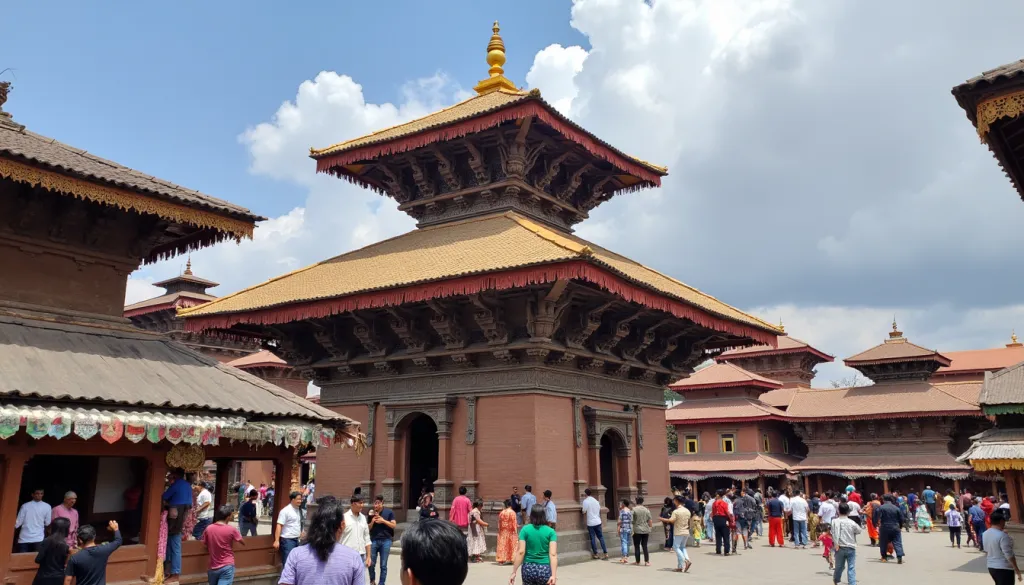
Located at the heart of the city, Kathmandu Durbar Square is a UNESCO World Heritage Site brimming with historical structures, intricate wood carvings, and vibrant festivals. Here, you can witness the Kumari Ghar, the home of the living goddess, as well as the iconic Hanuman Dhoka Palace. The square’s vibrant atmosphere is amplified by the local artisans and street vendors, making it a fantastic place to immerse yourself in the local culture.
Patan Durbar Square
Slightly south of Kathmandu lies Patan Durbar Square, renowned for its beautiful Newari architecture. The square features a combination of temples, courtyards, and museums. It’s a perfect spot for art lovers, as the Patan Museum showcases ancient woodwork, sculptures, and traditional artifacts. This square is less crowded than its Kathmandu counterpart, lending a more serene atmosphere that’s perfect for contemplation.
Bhaktapur Durbar Square
The third gem in the saga of Durbar Squares is Bhaktapur. This square is a beautifully preserved area that captures the essence of the medieval era. Known for its stunning 55-Window Palace and the iconic Bhairab Nath Temple, Bhaktapur’s narrow, winding streets encourage exploration at a leisurely pace.
The square is less commercialized, giving visitors a chance to enjoy the traditional lifestyle of Bhaktapur’s inhabitants, along with the unmatched local delicacies like “king curd” (juju dhau).
Major Temples: Pashupatinath, Swayambhunath, Budhanilkantha
For spiritual seekers, Kathmandu is a veritable treasure trove of iconic temples steeped in significance and architecture.
Pashupatinath Temple
One of the holiest Hindu temples in the world, Pashupatinath is dedicated to Lord Shiva. Situated on the banks of the Bagmati River, this temple is a vibrant hub of activity, especially during festivals like Maha Shivaratri. Visitors can witness elaborate cremation ceremonies and the rituals performed by Sadhus—holy men adorned in vivid colors. While entry is restricted for non-Hindus to the main shrine, walking around the complex offers captivating insights into spiritual practices.
Swayambhunath Stupa
Perched atop a hill, the Swayambhunath Stupa (often referred to as the Monkey Temple) is one of the most iconic sites in Kathmandu. With stunning panoramic views of the city, this UNESCO World Heritage site is also home to a variety of religious symbols and iconic prayer wheels. The watchful eyes of Buddha—painted on the stupa—seem to oversee both visitors and locals. The surrounding monkey population adds to its charm yet also serves as a potential reminder to keep your belongings safe!
Budhanilkantha Temple
For a unique experience, head to the Budhanilkantha Temple, which features a remarkable statue of Lord Vishnu reclining on a bed of serpents. Unlike many other temples, Budhanilkantha is surrounded by lush gardens, providing a peaceful escape from the hustle and bustle of city life. It’s a great place to reflect and soak in the spiritual energy that Kathmandu emanates.
Cultural Experiences: Local Markets, Festivals, Arts
To fully grasp the essence of Kathmandu, one must delve into its rich cultural experiences that offer glimpses into daily life.
Local Markets
Kathmandu’s local markets are a sensory overload in the best possible way. For an authentic experience, visit Asan Market, where the atmosphere is alive with the sound of bargaining, the fragrance of spices, and the vibrant colors of fruits and vegetables. Here, you can taste local delicacies like “momos” (dumplings) and “sel roti,” a traditional rice-based doughnut.
Another notable mention is the Thamel area, popular among tourists for its shops selling trekking gear, handicrafts, and souvenirs. While it’s more touristy, it’s still a fantastic place to mingle with locals and engage in the vibrant nightlife.
Festivals
Kathmandu’s cultural calendar is dotted with festivals that showcase its rich traditions. Dashain, Tihar, and Indra Jatra are just a few celebrations that transform the city into a picture of joy and spiritual fervor. During these festivals, you’ll find streets adorned with colorful lights, elaborate processions, and local dances that give you a taste of Nepalese hospitality and community spirit.
Arts and Crafts
Art lovers will appreciate the intricate craftsmanship reflected in every corner of Kathmandu. From stunning Thangka paintings to pottery in Bhaktapur, the city is an artist’s dream. Workshops where you can observe artisans at work provide a unique opportunity to learn about these traditional practices.
Neighborhood Highlights: Thamel, Asan, Boudhanath Area
Kathmandu’s neighborhoods offer unique slices of life, from bustling tourist hubs to serene spiritual havens.
Thamel
This is Kathmandu’s backpacker enclave, renowned for its eclectic shops, bustling cafes, and vibrant nightlife. Although it can be touristy, Thamel has its own charm, with lively streets filled with music and laughter. It’s an excellent launching point for exploring the city, as most trekking agencies and tour operators are situated here. Pro tip: try to explore some of the quieter side streets, where you can discover hidden gems such as small art galleries and local eateries.
Asan
In contrast to Thamel, Asan is where you can feel the pulse of local life. This neighborhood is characterized by its bustling markets and is a treasure trove of spices, vegetables, and traditional foods. The vibrant atmosphere is infectious, and it’s a great spot to practice your bargaining skills. Be prepared to immerse yourself in the sights, sounds, and smells of daily life in Kathmandu.
Boudhanath Area
The Boudhanath Stupa is another must-visit location while you explore Kathmandu. As one of the largest stupas in Nepal, Boudhanath attracts both locals and tourists. Walking around the stupa and taking part in the kora (the circumambulation ritual) is a spiritual experience. The area is dotted with Tibetan shops, cafes, and monasteries, making it a hub for meditation, prayer, and cultural exchanges.
As you embark on your journey through Kathmandu, these initial sections provide a glimpse into the city’s vibrant life and historical depth. Each destination you’ll encounter offers unique stories and experiences, waiting to be discovered. The adventure has just begun!
Local Cuisine: Must-Try Foods and Restaurants
One of the most delightful aspects of exploring Kathmandu is the food. Nepali cuisine is rich, diverse, and deeply influenced by the geography and culture of the region.
Iconic Dishes to Savor
- Dal Bhat: Perhaps the most famous Nepali dish, it consists of rice (bhat) served with lentil soup (dal) and an array of sides like pickles (achar), vegetables, and sometimes meat.
- Momo: These delicious dumplings can be chicken, pork, or vegetable-filled and are often served with a flavorful dipping sauce.
- Thukpa: A hearty noodle soup originally from Tibet, it has become popular in Kathmandu, especially during the colder months.
Recommended Restaurants
- Bhojan Griha: Located in a traditional setting, this restaurant offers a cultural dining experience along with a variety of authentic dishes.
- Momo Hut: A favorite among locals for its affordable and delicious momos.
- Garden of Dreams: A perfect spot for both food and relaxation, offering a variety of continental and Nepali dishes in a serene garden setting.
Art, Museums, and Handicrafts
Kathmandu is an artistic hub with a rich cultural tapestry. The traditional art and crafts reflect the history and spiritual significance of the city.
Museums to Visit
- National Museum of Nepal: This impressive museum showcases the country’s art, history, and culture.
- Taragaon Museum: Located in the former Hotel Taj, this museum explores Nepal’s history with a focus on architecture and societal changes.
Handicrafts and Artisans
The Thamel area is famous for its handicrafts. From handmade crafts to intricate wood carvings, pottery, and textiles, you’ll find plenty of artisanal products to take home. Be sure to visit:
- The Patan Durbar Square: Home to stunning temples and ancient architecture, you’ll also find many craftsmen at work.
- Pashupatinath Temple area: Here, you can find ritualistic handicrafts and beautiful art pieces made by local artisans.
Trekking and Day Trips from Kathmandu
Exploring Kathmandu wouldn’t be complete without venturing into the surrounding landscapes, which offer incredible trekking and day trip opportunities.
Popular Trekking Routes
- Nagarkot: A popular day trip destination, offering breathtaking sunrise views over the Himalayas.
- Chisapani to Nagarkot Trek: A customizable trek ranging from a day to a week, showcasing beautiful landscapes and authentic village life.
- Langtang Valley Trek: For the adventurous, this trek leads to spectacular mountain views and the rich biodiversity of the Langtang National Park.
Tips for Trekking
- Always hire a local guide for safety and enhanced experience.
- Ensure to acclimatize properly to avoid altitude sickness.
- Carry sufficient water and snacks, along with a first aid kit.
Travel Tips: Safety, Transportation, and Accommodation
When you explore Kathmandu, keep some essential travel tips in mind to ensure a smooth experience.
Safety
- Always be mindful of your belongings in crowded areas to avoid pickpockets.
- Avoid poorly lit or deserted areas at night.
- Know emergency numbers (like 100 for police and 102 for fire).
Transportation
- Taxis: Use registered taxis and agree on a fare beforehand.
- Local Buses: A great way to immerse yourself in local travels.
- Ride-Sharing Apps: Apps like Pathao and Tootle are gaining popularity in Kathmandu.
Accommodation
- Budget: Consider hostels and guesthouses in Thamel for budget-friendly options.
- Mid-range: Look for boutique hotels that offer a good blend of comfort and local charm.
- Luxury: Resorts like Dwarika’s Hotel and Hyatt Regency provide luxurious amenities with traditional Nepali aesthetics.
Seasonal Guide: Best Times to Visit Kathmandu
Understanding the seasons can significantly enhance your visit.
Ideal Seasons
- Spring (March to May): Warm weather and blooming flowers make it ideal for trekking and outdoor activities.
- Autumn (September to November): Clear skies and pleasant temperatures. This is considered the peak tourist season.
Less Crowded Seasons
If you prefer a quieter experience, consider visiting during the winter months. While it can be chilly, prices tend to drop, and you can enjoy local festivals without the tourist crowds.
Sustainable and Responsible Tourism Practices
As you explore Kathmandu, it’s important to be conscious of your travel footprint. Here are some sustainable practices to adopt:
- Respect Local Cultures: Always ask before photographing people or cultural sites.
- Eco-Friendly Accommodation: Choose hotels that operate sustainably, using solar energy or minimizing waste.
- Support Local Businesses: Buy local crafts and eat at local restaurants to bolster the economy and ensure your money remains within the community.
Frequently Asked Questions
- What should I know before I explore Kathmandu?
Knowing basic cultural norms and customs will enhance your experience, along with a few key phrases in Nepali. - Is it safe to travel solo?
Yes, many travelers explore Kathmandu solo, but it’s essential to remain aware of your surroundings and follow safety guidelines. - What are the best local foods to try?
Must-try dishes include dal bhat, momos, and thukpa when you explore Kathmandu. - How do I get from the airport to my hotel?
Taxis and ride-sharing apps are widely available, offering convenient airport transfers. - When is the best time to trek in the area?
Spring and fall are ideal for trekking due to favorable weather and clear trails. - Can I find vegetarian options?
Yes, Kathmandu offers a variety of vegetarian and vegan-friendly spots throughout the city. - What are some eco-friendly travel tips for Kathmandu?
Support local artisans, use reusable water bottles, and avoid single-use plastics.
Conclusion
Whether you’re drawn by the stunning architecture, captivating culture, delectable cuisine, or adventurous trekking opportunities, Kathmandu offers something for everyone. This multifaceted city is not just a destination; it is an experience rich in color, flavor, and spirit.
As you plan your journey, remember to approach your adventure with respect and curiosity. By immersing yourself in the local culture and supporting sustainable practices, you will not only enrich your experience but also contribute positively to the community. So, pack your bags, and prepare to explore Kathmandu—a city that remains forever etched in the hearts of its visitors.
For further information on travel tips and cultural insights, consider checking the Nepal Tourism Board and other authoritative sources that can help enhance your understanding of everything Kathmandu has to offer.
More Post on Nepal Travelling